
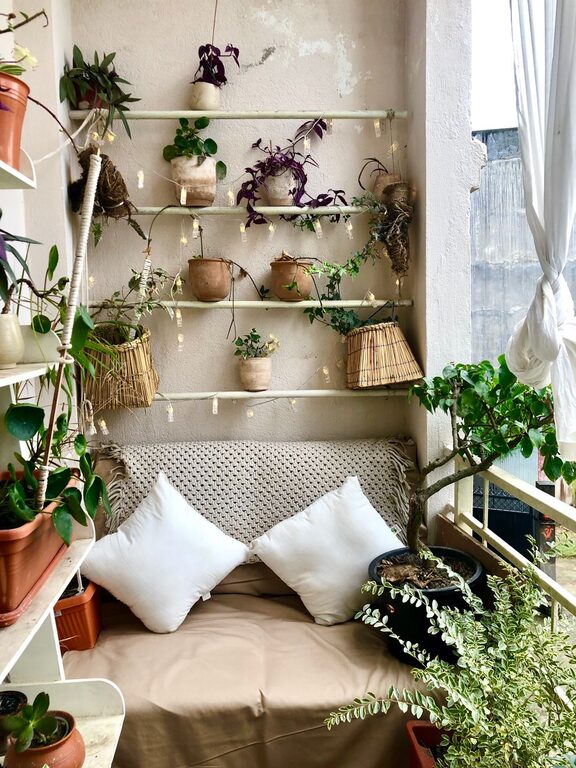
Make the Most of Your Small Balcony
A small balcony can become one of the most enjoyable areas of your home. Even with limited floor space, a few thoughtful choices can create a comfortable spot for morning coffee, reading, dining, or relaxing at the end of the day.
The key is to focus on comfort, function, and atmosphere. Choose items that serve more than one purpose, keep the layout open, and add soft details that make the space feel inviting.
Start With a Simple Plan
Before buying furniture or decorations, measure your balcony and note its main features. Pay attention to the width of the doorway, the location of railings, and any areas that receive strong sun or frequent rain.
Think about how you want to use the space. For example, you might want:
- A quiet reading corner
- A small place for outdoor meals
- A spot for morning coffee
- A compact garden for herbs and flowers
- A flexible area for relaxing and entertaining
Choosing one main purpose helps prevent the balcony from becoming crowded. If you need the space to serve several purposes, look for furniture that can be moved or folded away.
Choose Furniture That Fits
Furniture size has a major effect on how spacious a balcony feels. Instead of choosing large outdoor pieces, look for slim designs with simple shapes. A narrow bench, compact bistro table, or single lounge chair may be all you need.
Use Foldable and Multiuse Pieces
Foldable furniture is especially useful in a small outdoor area. A folding table can be opened for meals and stored against a wall when you need more room. Folding chairs can also be moved indoors during bad weather or stacked when they are not in use.
Other useful options include:
- A storage bench that provides seating and holds cushions
- A small stool that works as a seat or side table
- A railing table for drinks or snacks
- Nesting tables that can be separated when needed
- A slim outdoor cart for plants, tools, or serving items
Leave enough space to walk comfortably between the door and the railing. A clear path will make the balcony feel more open and easier to use.
Add Comfortable Textiles
Soft textiles can quickly change the mood of a balcony. Add seat cushions, outdoor pillows, and a small rug to make hard furniture feel more comfortable.
Choose materials designed for outdoor use, especially if the balcony is exposed to moisture or direct sunlight. Outdoor fabrics are generally easier to clean and less likely to fade. If you use regular cushions, bring them indoors when rain is expected.
A small rug can help define the seating area and make the balcony feel like an extension of your home. Select a flat, lightweight style that is easy to shake out and dry. Avoid covering drains or creating a surface that could remain wet for long periods.
For cooler evenings, keep a washable throw nearby. A basket placed beside the chair can hold blankets, pillows, and other small items while keeping them organized.
Use Lighting to Create Warmth
Good lighting makes a balcony feel cozy after sunset. You do not need bright fixtures. Soft, warm light is usually more relaxing and helps create a comfortable atmosphere.
Consider these options:
- String lights attached securely along a wall or railing
- Battery-powered lanterns on a table or shelf
- Solar lights in planters
- Small LED candles for a gentle glow
- A compact outdoor lamp with a warm bulb
Use lights at different heights to create depth. For example, string lights can provide a soft background glow, while a lantern on the table adds light where you need it.
Always choose products rated for outdoor use and follow the manufacturer’s installation instructions. Keep cords neat and out of walkways, and avoid placing open flames where they could be knocked over.
Bring in Plants
Plants add color, texture, and a natural feel to even the smallest balcony. They can also make the space feel more private when placed strategically.
Use vertical space whenever possible. A wall planter, railing planter, or narrow plant stand can hold greenery without taking up much floor area. Hanging planters may also work well, provided they are securely installed and do not create a hazard below.
For easy care, choose plants that match the balcony’s conditions. Consider:
- Sun-loving plants for bright, open balconies
- Shade-tolerant plants for covered or north-facing spaces
- Herbs such as basil, mint, thyme, or rosemary
- Compact flowers for seasonal color
- Hardy greenery that can handle changing weather
Group plants at different heights to create a fuller look. Use containers with drainage holes, and place saucers underneath when appropriate to help protect the floor.
Create Privacy Without Closing In the Space
Privacy can make a balcony feel more comfortable, but heavy screens may make a small area feel narrow. Choose lightweight solutions that allow some light and air to pass through.
Outdoor curtains, bamboo panels, trellises, and tall plants can soften views from nearby buildings. A narrow screen placed on one side may be enough to create a more private corner without covering the entire balcony.
If you use curtains or screens, secure them carefully so they do not become loose in windy conditions. Check building rules before attaching anything permanently to walls, railings, or ceilings.
Choose a Calm Color Scheme
A limited color palette helps a small balcony look organized. Start with one or two main colors, then add a small accent shade through pillows, planters, or accessories.
Light neutrals can make the area feel airy, while earthy colors such as green, tan, and terracotta create a natural mood. If you prefer a brighter look, use color in small, repeatable accents rather than combining too many different shades.
Matching planters, cushions, and accessories can also make the balcony feel more intentional. You do not need everything to match perfectly, but repeating a few colors will create visual balance.
Keep Clutter Under Control
A cozy balcony should feel comfortable, not crowded. Use storage that fits the space and keep only items you use regularly.
A weather-resistant storage box can hold cushions, gardening tools, and small accessories. Wall hooks may provide a place for lightweight items, while a narrow shelf can display plants and decorations without using valuable floor space.
At the end of each day, return small items to their storage spots. This simple habit keeps the balcony ready for relaxing and makes cleaning easier.
Pay Attention to Safety and Maintenance
Before arranging your balcony, make sure furniture and planters are stable. Do not block the doorway, drainage areas, or emergency access points. Heavy containers should be placed carefully, and hanging items should be attached using suitable hardware.
Clean the space regularly by sweeping the floor, wiping furniture, and removing dead leaves. Check cushions, lights, and planters from time to time for signs of wear. Bring delicate items indoors during severe weather.
Finish With Personal Touches
The final details make the balcony feel like your own. Add a favorite mug, a small tray, a piece of outdoor artwork, or a decorative bowl for keys and sunglasses. If you enjoy reading, keep a small side table nearby for books. If you like entertaining, place a serving tray within easy reach.
A small balcony does not need many decorations to feel special. With comfortable seating, soft lighting, a few plants, and an uncluttered layout, you can create a welcoming outdoor retreat that feels both practical and personal.