
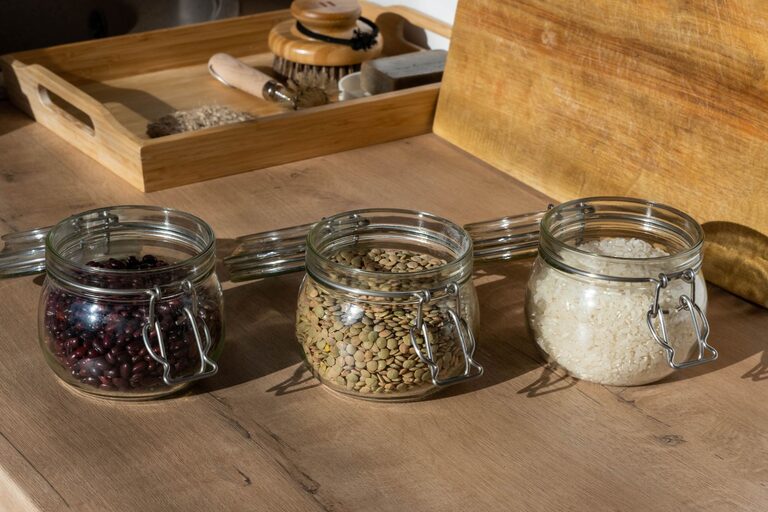
Planning meals from pantry staples is a practical way to make cooking easier, limit food waste, and avoid last-minute grocery trips. A well-stocked pantry gives you a reliable starting point for many meals, even when your refrigerator is nearly empty.
The key is to think of pantry ingredients as building blocks rather than complete recipes. With a few simple categories, flexible combinations, and a short planning routine, you can create meals that feel varied and satisfying.
Take Stock of What You Have
Before planning meals, check your pantry, refrigerator, and freezer. Write down ingredients you already have, especially items that should be used soon.
Look for staples such as:
– Rice, pasta, couscous, oats, and other grains
– Canned beans, lentils, tomatoes, and vegetables
– Flour, breadcrumbs, and baking ingredients
– Peanut butter, nuts, and seeds
– Broth, cooking oils, vinegar, and sauces
– Dried herbs, spices, salt, and pepper
– Frozen vegetables, meat, or prepared ingredients
Group similar foods together so you can see your options clearly. For example, place all canned goods in one section and grains in another. This simple step can prevent you from buying items you already own.
It also helps to check expiration dates and condition. Move older products to the front so they are easier to use first.
Use the Meal Building Formula
A simple meal formula can help you plan without needing a specific recipe. Start with four parts:
- A base
- A main ingredient
- Vegetables or other supporting ingredients
- A sauce, seasoning, or topping
The base might be rice, pasta, potatoes, bread, tortillas, or another grain. The main ingredient could be canned beans, lentils, eggs, tuna, chicken, tofu, or a small amount of leftover meat. Vegetables can come from fresh, frozen, or canned supplies.
For flavor, use ingredients such as tomato sauce, broth, soy sauce, salsa, mustard, vinegar, or a simple mixture of oil and herbs.
For example, rice, canned beans, frozen corn, and salsa can become a quick bowl. Pasta, canned tomatoes, beans, and Italian herbs can become a simple one-pot dinner. Oats, peanut butter, cinnamon, and fruit can make an easy breakfast.
This formula is flexible enough to work with whatever you have available.
Plan by Ingredient, Not Just by Recipe
Instead of choosing seven completely different recipes, select a few ingredients that can be used in several ways. This reduces preparation time and keeps your grocery list short.
For example, one pot of rice can be used for:
– A bean and vegetable bowl
– Fried rice with eggs and frozen vegetables
– A simple rice soup
– A side dish for roasted or canned foods
A batch of cooked beans can become:
– Tacos or wraps
– Pasta sauce
– Soup
– A mashed spread for toast
– A filling for grain bowls
Planning this way makes leftovers more useful. You are not simply eating the same meal repeatedly; you are changing the presentation, seasoning, or supporting ingredients.
Create a Short Weekly Framework
A weekly meal plan does not need to be detailed. Start with five or six meal ideas and leave one or two flexible spaces for leftovers, takeout, or unexpected schedule changes.
A simple framework could look like this:
– Monday: Pasta with canned tomatoes and beans
– Tuesday: Rice bowls with frozen vegetables
– Wednesday: Leftovers or soup
– Thursday: Tortillas filled with beans, rice, and salsa
– Friday: Pantry pizza or flatbread
– Saturday: Breakfast-for-dinner using oats, eggs, or potatoes
– Sunday: A meal based on ingredients that need to be used
You can also plan by meal type rather than exact recipes. For example, choose one soup night, one grain bowl night, one pasta night, and one wrap night. This provides structure while allowing you to adjust based on what is available.
Build a Versatile Pantry
A useful pantry does not need to be large. Focus on ingredients that can work in several types of meals.
Grains and Bases
Keep a selection of shelf-stable bases, such as:
– Rice
– Pasta
– Oats
– Couscous
– Flour
– Crackers
– Tortillas
Choose items your household already enjoys. There is no need to stock ingredients that are rarely used.
Canned and Dried Foods
Canned beans, tomatoes, lentils, and vegetables can quickly add substance to meals. Dried beans and lentils are also useful when you have time to cook them.
Canned fish, shelf-stable tofu, and other packaged proteins can provide additional variety. Choose products that fit your cooking habits and storage space.
Flavor Builders
Small flavor additions can make the same basic ingredients taste very different. Consider keeping:
– Garlic and onion powder
– Dried herbs
– Curry powder or chili powder
– Soy sauce
– Vinegar
– Mustard
– Salsa
– Tomato paste
– Broth
– Cooking oil
A few seasonings can turn plain rice and beans into several different meals. For example, herbs and tomato sauce create an Italian-style dish, while soy sauce and ginger can give the same ingredients a different direction.
Shop to Fill Gaps
Once you have planned meals from your pantry, create a grocery list based only on missing ingredients. This keeps shopping focused and helps prevent overbuying.
Your list might include:
– Fresh produce to add color and texture
– Milk, cheese, eggs, or another preferred ingredient
– Fresh herbs or lemons for flavor
– One or two proteins
– Bread or tortillas
– Ingredients needed for a specific recipe
Think of fresh foods as additions to pantry meals rather than the entire foundation. A bag of greens, a few onions, carrots, or a container of yogurt can make several pantry-based meals more appealing.
Prepare a Few Components Ahead
Batch preparation can make pantry meals much faster during the week. You do not need to cook every meal in advance. Simply prepare a few useful components.
Try making:
– A pot of rice or another grain
– Cooked beans or lentils
– Roasted or sautéed vegetables
– A simple sauce
– Chopped onions or other commonly used vegetables
– Hard-cooked eggs
Store prepared ingredients safely and label them with the date. Keep components separate when possible so they can be combined in different ways.
For example, cooked rice can be paired with beans one day, added to soup the next, and turned into fried rice later in the week.
Keep a List of Reliable Meal Ideas
When a pantry meal works well, record it in a notebook or notes app. Include the ingredients, basic steps, and any changes you made.
Over time, you will build a personal collection of dependable meals. Organize the list by category, such as:
– Quick breakfasts
– One-pot meals
– Pasta dishes
– Rice bowls
– Soups and stews
– Easy snacks
– Meals using leftovers
This list makes future planning much easier. It also helps you remember successful combinations instead of starting from scratch each week.
Make Pantry Planning Flexible
Pantry meal planning works best when it allows for substitutions. If a recipe calls for chickpeas but you have black beans, make the swap. If you are out of rice, use pasta, bread, or potatoes. Frozen vegetables can replace fresh ones, and dried herbs can stand in for fresh herbs.
The goal is not to follow every recipe exactly. The goal is to create practical meals from the ingredients available.
By taking stock regularly, using a simple meal formula, and planning around flexible ingredients, you can make your pantry work harder. A few reliable staples can become a wide range of meals, helping you cook with less stress and fewer unnecessary shopping trips.