
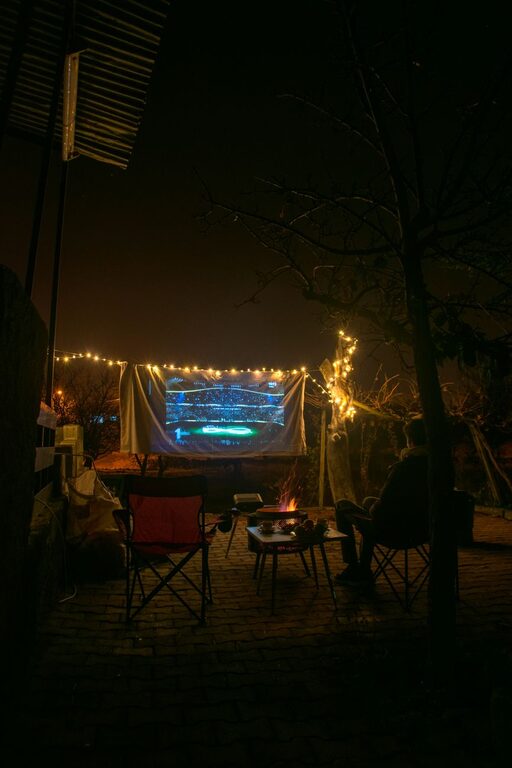
A screen-light evening is a simple way to create more space for rest, conversation, hobbies, and quiet activities. It does not require giving up every device or following a strict schedule. Instead, the goal is to use screens with intention and leave room for activities that help the evening feel slower and more enjoyable.
Whether you live alone, share your home with others, or have a busy family schedule, a screen-light plan can be flexible. Start with a few practical changes, then adjust them to fit your routines and preferences.
What Is a Screen-Light Evening?
A screen-light evening is a period when you reduce unnecessary use of phones, televisions, computers, tablets, and gaming devices. You might still use a screen for an important message, a planned activity, or a short amount of entertainment. The difference is that screens are no longer the automatic choice whenever there is a quiet moment.
The purpose is not to create strict rules. It is to make room for other experiences, such as:
– Reading a printed book
– Cooking or baking
– Talking with friends or family
– Listening to music
– Working on a creative project
– Taking a gentle walk
– Organizing a small area of your home
– Writing in a journal
– Playing a board or card game
A screen-light evening can last one hour, several hours, or the entire evening. Even a short break can help you notice how you prefer to spend your free time.
Choose a Realistic Start Time
The easiest way to begin is to choose a start time that works with your schedule. For example, you might decide to reduce screen use after dinner, once household tasks are complete, or during the final hour before bed.
Avoid choosing a time that makes the plan difficult from the beginning. If you often need your phone for family communication or work, keep it available for essential purposes while limiting unrelated scrolling and browsing.
Try one of these simple approaches:
– One-hour plan: Put most screens away for one hour.
– After-dinner plan: Use screens only for necessary tasks after the evening meal.
– Device-free blocks: Choose two short periods without screens.
– Weekend plan: Set aside one evening when you have fewer obligations.
– Flexible window: Pick a general period rather than an exact time.
A realistic plan is easier to repeat. Consistency matters more than creating a perfect evening.
Prepare Your Space
Your surroundings can make screen-free activities feel more appealing. Before the evening begins, prepare a comfortable area where you can relax or focus.
Small changes can include:
– Placing a book, notebook, or puzzle where you can easily see it
– Turning on a lamp instead of relying only on bright overhead lighting
– Setting out supplies for a hobby
– Clearing a table for a game or creative project
– Preparing a comfortable chair or blanket
– Keeping a speaker, radio, or music player nearby
– Putting charging cables in one location
You do not need to redesign your home. The goal is simply to make other choices convenient. If a book is within reach and your phone is across the room, you may be more likely to choose the book.
Plan a Few Activities in Advance
Many screen-light evenings fail because there is no alternative ready. When you are tired, opening an app can feel easier than deciding what to do. Make a short list of activities before the evening starts.
Create options for different energy levels.
For a Quiet Evening
Choose activities that require little preparation:
– Read a few chapters
– Listen to an album
– Do a crossword or word puzzle
– Write down thoughts from the day
– Sort photos or keepsakes
– Enjoy tea or another favorite drink
– Practice a simple craft
For a Productive Evening
If you prefer to feel accomplished, try:
– Preparing part of tomorrow’s breakfast
– Planning meals
– Folding laundry while listening to audio
– Tidying one drawer or shelf
– Writing a short to-do list
– Watering plants
– Preparing clothes for the next day
For a Social Evening
Invite another person to join you with:
– A shared meal
– A walk around the neighborhood
– A board game
– A card game
– A conversation prompt
– A simple cooking project
– A printed photo-sharing session
Keep your list short. Three to five options are usually enough. Too many choices can make the evening feel like another task to manage.
Set Simple Device Boundaries
Clear boundaries make the plan easier to follow. Decide which devices you will set aside and which uses are still acceptable.
For example, you might:
– Put your phone on silent or use a focus setting
– Keep your phone in another room during meals
– Turn off nonessential notifications
– Leave the television off unless you have chosen a specific program
– Use a traditional alarm clock if your phone tends to invite late-night browsing
– Check messages once before the screen-light period begins
– Keep a notebook nearby for tasks you remember
You do not have to put every device away. If you use your phone for music, an audiobook, or directions, decide on the purpose before picking it up. Intentional use is different from opening an app without a clear reason.
Build a Simple Evening Flow
A loose sequence can help your evening feel natural. Here is an example:
- Finish dinner and clear the kitchen.
- Check essential messages.
- Put entertainment devices aside.
- Choose one quiet or creative activity.
- Take a short break for movement or fresh air.
- Spend time reading, talking, or listening to music.
- Complete a small preparation task for tomorrow.
- End with a calm activity before bed.
This routine does not need to be followed exactly. Think of it as a menu rather than a timetable. You can skip steps, change the order, or repeat the parts you enjoy most.
Make Screen-Free Meals Easier
Meals are a natural place to reduce screen use. Start with one meal a day or one meal a week without phones and television.
To make the change comfortable, keep conversation starters nearby. You could ask:
– What was one good part of your day?
– What are you looking forward to this week?
– What is something you would like to learn?
– What meal should we make next?
– What place would you enjoy visiting?
If you eat alone, use the meal as a chance to listen to music, notice the food, or enjoy a printed magazine. The goal is not to make every meal formal. It is simply to avoid letting a screen fill every quiet moment.
Expect Some Restlessness
When you first reduce screen use, the evening may feel unusually long. This is normal. You may reach for your phone out of habit, especially during pauses between activities.
Instead of treating this as a failure, notice the habit and redirect yourself. Stand up, refill your water, look through your activity list, or spend a few minutes doing nothing. Quiet moments can feel unfamiliar before they become comfortable.
It can also help to keep expectations modest. A screen-light evening does not have to be deeply productive or completely relaxing. Sometimes the best result is simply having a calmer pace.
Review and Adjust Your Plan
After trying a screen-light evening, take a minute to consider what worked. Ask yourself:
– Which activity did I enjoy most?
– When was I most tempted to use a screen?
– Did the timing fit my schedule?
– Were my devices easy to put away?
– What would make the next evening simpler?
Use your answers to improve the plan. You might discover that you prefer reading before dinner, walking after dinner, or keeping your phone available but removing social media notifications.
The best screen-light evening is one you can enjoy and repeat. Begin with a manageable time period, prepare a few appealing alternatives, and give yourself permission to adjust the routine. Over time, small changes can turn an ordinary evening into a more thoughtful and refreshing part of the day.